Health & Safety
Clean, Gray and Black Water: Water Damage Categories Explained
Updated
Short answer
Restoration professionals commonly group water by contamination level: clean water from supply lines, gray water with some contamination such as washing machine discharge, and heavily contaminated water such as sewage or outside flood water. Category is determined on site, and it affects what can be saved.
Clean water
Usually from a broken supply line, faucet or rainwater with no contact with contaminants. Clean water can degrade as it sits and contacts materials.
Gray water
Contains some contamination — for example dishwasher or washing machine discharge, or toilet overflow with urine but no feces.
Contaminated (black) water
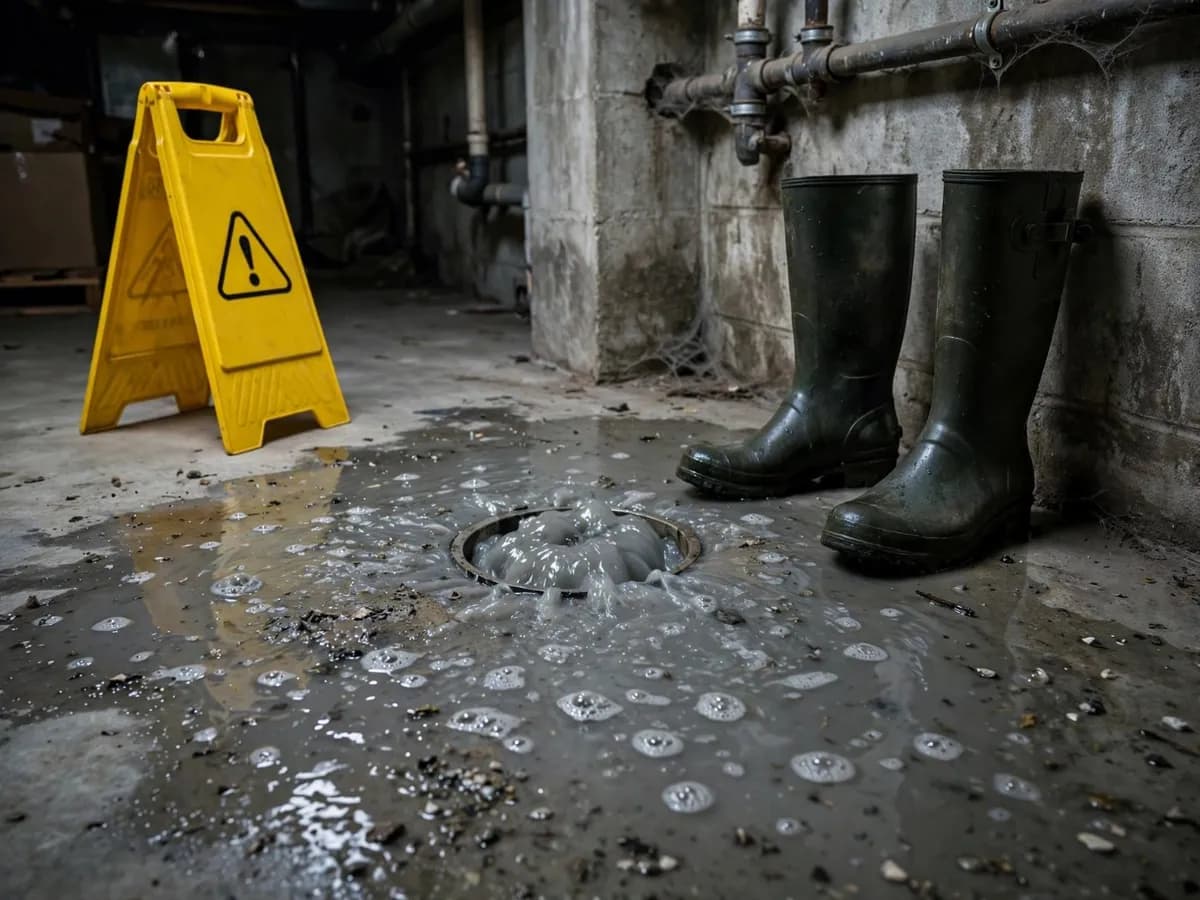
Sewage, outside flood water and water that has stagnated. Porous materials it contacts are generally removed.
Why it matters
The category guides protective equipment, which materials are removed and how surfaces are cleaned. Only an on-site assessment can determine it.
Why the original source is only part of the assessment
Describe where the water came from and what it passed through before reaching the affected room. An initially clean source can encounter dirty materials along its route. The technician needs that history and the material condition rather than relying on the appearance of a puddle.
If the source is unknown, report that uncertainty. A decision about retained carpet, insulation or other porous material should follow the assessment rather than an assumption that clear-looking water is harmless.
How the category changes the work discussion
Ask which cleaning, containment and material-removal decisions follow from the technician's assessment. Water category and the amount of affected material describe different things: a shallow contaminated loss can need different handling from a deeper clean supply leak. Keep both descriptions in the scope.
Why the category changes the cleanup plan
Category 1 (clean) water from a supply line usually allows carpet, pad and drywall to be dried in place if work starts quickly. Category 2 (gray) water from appliances or toilet overflow without feces often means porous materials such as carpet pad are removed and surfaces are cleaned and treated. Category 3 (black) water from sewage or outside flooding means porous materials that it touched are removed, and the area is cleaned, disinfected and dried under containment.
Water can also get worse over time. Clean water left sitting for days, or flowing through dirty materials, can degrade into a higher category. That is one more reason to start extraction early.
Protecting your family during cleanup
If you are unsure which category you are dealing with, describe the source when you call. We plan protective equipment and containment from that first conversation.
- Keep children, pets and anyone with a weakened immune system away from gray or black water.
- Do not use household fans in a sewage-affected room; they spread contamination.
- Wash hands after touching any affected item and throw away food that came into contact with the water.
- Let our team set up containment before removing contaminated materials.
Do this now
- Note where the water came from
- Avoid contact if contamination is possible
- Tell the technician the source when you call
When to call a professional
- Any sewage or flood water
- Water that sat for more than a day or two
Related services
Frequently asked questions
Can clean water become contaminated?
Yes. Water that sits and contacts building materials can degrade over time.