
Insurance
Documenting Water Damage for an Insurance Claim
Updated
Short answer
Photograph and video the damage and the source before cleanup, keep damaged items until your insurer says otherwise, save every receipt, and ask our restoration team for moisture logs and photos. Coverage depends on the policy, cause of loss, exclusions and circumstances.
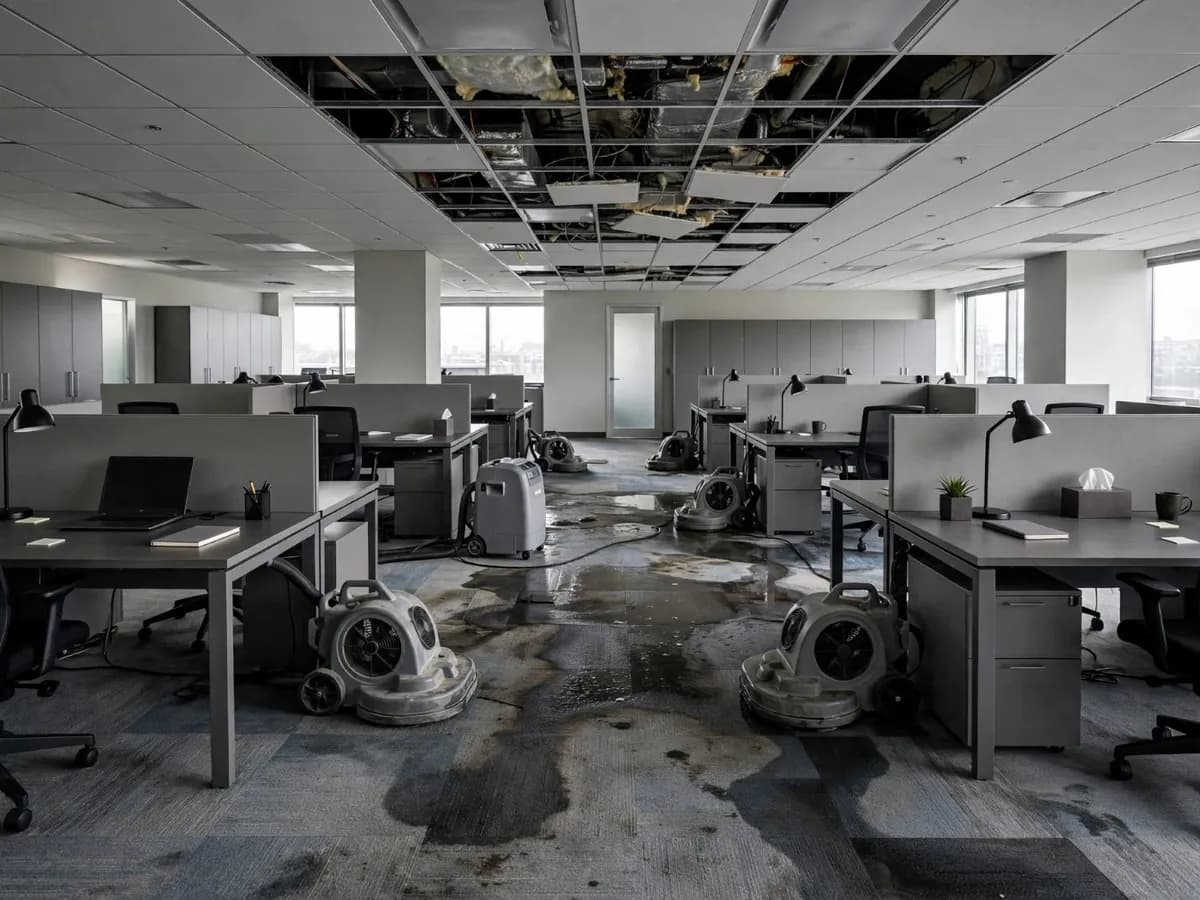
Photos and video
Capture wide shots of each room, close-ups of damage, the water source and any water line on walls.
Keep damaged items
Do not throw away damaged items until they are documented and your insurer confirms. Unsafe contaminated items can be photographed and disposed of.
Receipts
Save receipts for emergency repairs, equipment, hotel stays and supplies.
Professional records
Restoration technicians typically keep moisture readings, equipment logs and photos. Ask for copies.
This is not legal or insurance advice
Contact your insurer or agent with policy questions.
Organize evidence by room and date
Use a consistent room name for photos, the item list and contractor records. Note discovery time, any source repair and the sequence of cleanup. Preserve the original images where possible so a later description can be connected with the state of the room at that point.
If an item must be removed for safety or cleanup, ask how it will be recorded before disposal. Keep that record separate from assumptions about whether a policy will cover it; the insurer determines the claim under the policy and circumstances.
Keep mitigation and later repairs distinguishable
Ask for the moisture findings, material-removal record and remaining repair scope as separate documents or clearly labeled sections. This helps explain why an area was opened and what is needed to restore it. Discuss policy questions directly with the insurer or the appropriate adviser.
A documentation checklist that adjusters can use
Keep everything in one folder, with the date of loss and the claim number on every page.
- Wide photos of each room, then close-ups of damage, water lines on walls and the source of the leak.
- A short video walking through the affected area before anything is moved.
- Model and serial numbers of damaged appliances, and the failed part if a supply line or fitting burst. Keep that part.
- Records of emergency services such as a plumber, hotel stay or tarps.
- Our moisture map, daily drying logs and equipment list, which show what was wet and how it was dried.
How our restoration records support your claim
Insurers want evidence that the damage came from a covered event and that the drying was reasonable. Our technicians record initial moisture readings, the materials affected, the equipment placed and daily progress until materials are dry. Photos are taken before and after any removal. You receive these records for your adjuster.
Coverage decisions belong to your insurer. We do not promise that a claim will be paid, but we can make sure the restoration side of the file is complete and clear.
Do this now
- Photos before cleanup
- List of damaged items
- Receipts
- Moisture logs
- Claim number and adjuster contact
When to call a professional
- You need professional documentation of drying
Related services
Frequently asked questions
Should I start cleanup before the adjuster comes?
Many policies expect reasonable steps to prevent further damage. Document first and contact your insurer.