
Health & Safety
Water Damage and Electrical Safety
Updated
Short answer
Never enter standing water if outlets, cords or appliances may be energized. Only shut off power at the panel if you can reach it while standing on dry ground. If not, leave the area and contact your utility or an electrician.
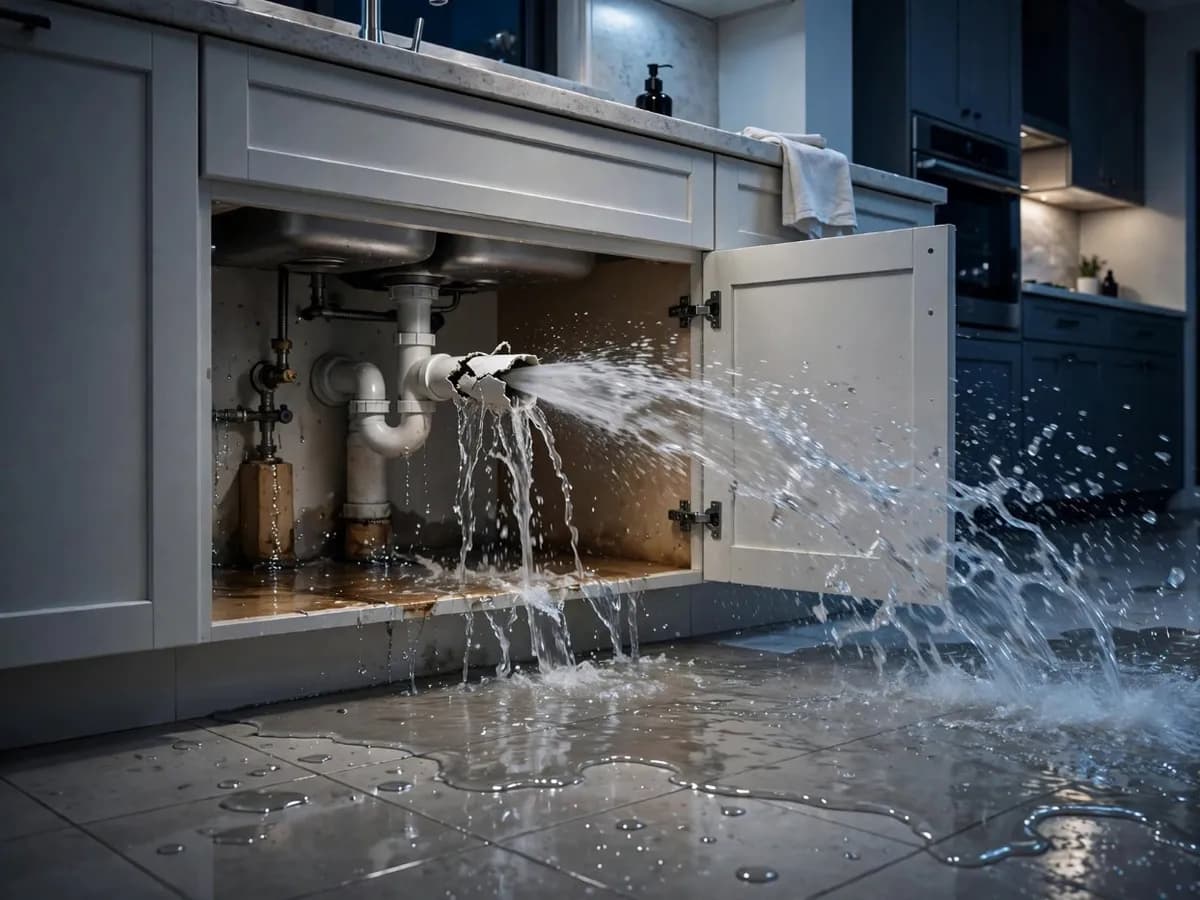
The main rule
If you are not sure whether power is off, treat the water as dangerous.
When to leave
Leave if water is near the panel, you hear buzzing or see sparks, or you smell burning or gas.
After the water is gone
Have a qualified electrician check wiring, outlets and appliances that were wet before using them.
A restoration call does not establish electrical safety
Our drying team can assess wet building materials, but an appropriate utility or qualified electrical professional must address suspected electrical hazards. Explain whether outlets, fixtures, appliances or the panel were affected from a safe location. Do not test wet equipment to determine whether it still works.
Likewise, moving water away from an outlet does not show that the equipment behind the surface is suitable to energize. Keep the electrical assessment separate from the extraction or drying schedule.
Coordinate the return to normal use
Ask who is responsible for checking the affected electrical installation and who will authorize its use. Record any items that require replacement or further inspection, and share access restrictions with the cleanup team so equipment placement does not rely on an unverified circuit.
Situations where you should leave the building
Some conditions are too dangerous to handle yourself, even for a minute. Leave and call the utility or emergency services if any of these apply:
- Water is at or above the level of outlets, power strips or extension cords.
- You hear buzzing or crackling, see sparks or smell burning plastic.
- Your breaker panel is in a wet area or you would have to stand in water to reach it.
- A ceiling is sagging with water near a light fixture.
- You smell gas after flooding has reached a furnace or water heater.
After the power is off
Once a qualified person has confirmed power is off to the affected area, water removal can begin. Our crews use their own equipment with ground-fault protection and route power cords away from standing water. Wet appliances, outlets and HVAC components should be checked by a licensed electrician or technician before they are used again, even if they seem to work.
Do not plug in fans or a household wet vacuum in a flooded room. Many home water-damage injuries happen in the first hour, when people try to dry the space themselves before the electrical risk is understood.
Do this now
- Stay out of water near electricity
- Use the panel only from dry ground
- Call the utility if unsure
- Have wet electrical checked before use
When to call a professional
- Water reached outlets or the panel
- Appliances were submerged
Related services
Frequently asked questions
Can I use appliances that got wet?
Not until a qualified technician has checked them.