
Drying
Wet Carpet: Can It Be Saved or Does It Need Replacing?
Updated
Short answer
Carpet wet with clean water and dried quickly can often be saved, though the pad is frequently replaced. Carpet exposed to sewage or outside flood water is generally discarded. Delamination and odor after drying are signs replacement may be needed.
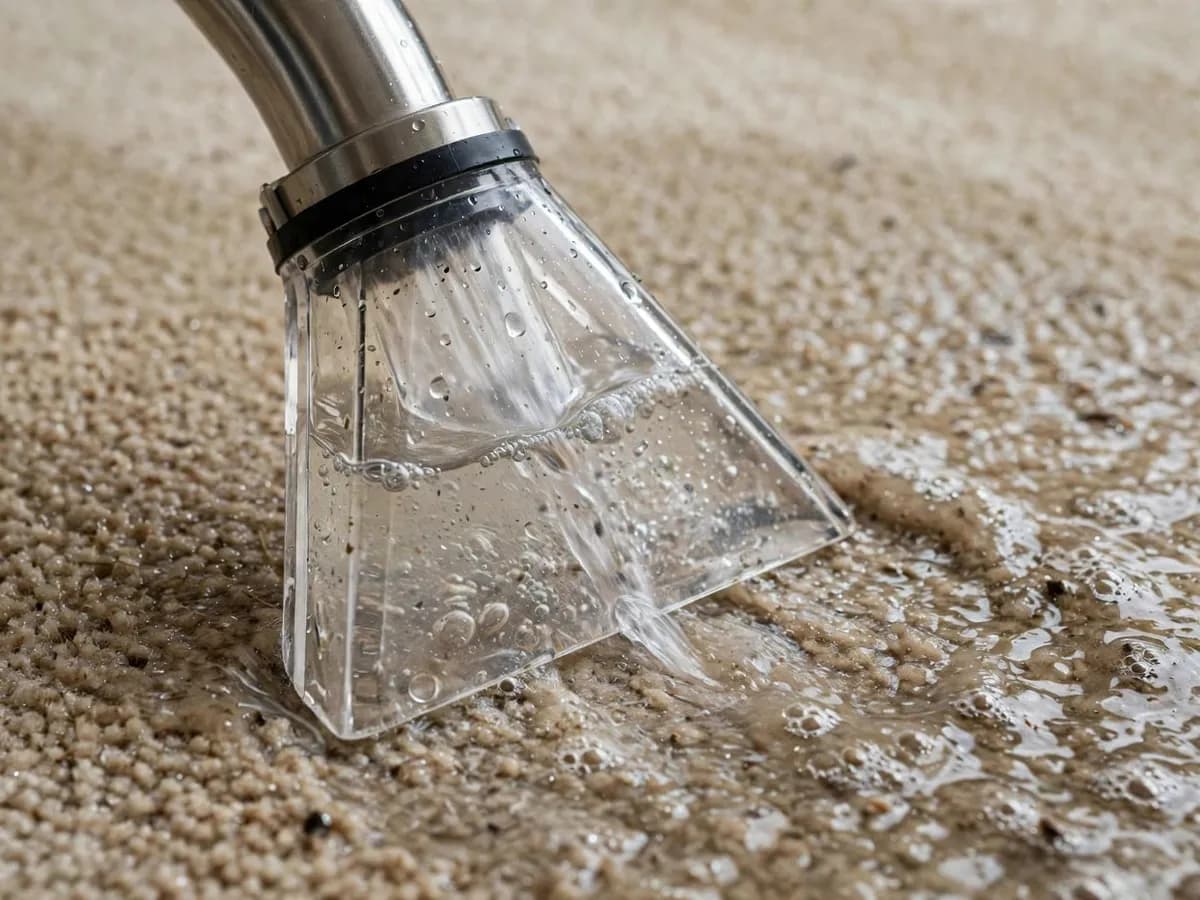
Clean water, caught fast
Extraction and drying in place may work, sometimes with the pad replaced.
Gray water
Depends on how long it sat and what it contacted; often the pad is removed.
Sewage and flood water
Carpet and pad are generally removed and discarded.
Ask about the layers beneath the visible carpet
The face fiber, backing, pad and subfloor need separate consideration. A carpet surface can feel better after extraction while the underlying pad remains wet. Describe the water source and duration, and ask which layers were examined before deciding whether the assembly can be retained.
Keep contamination decisions separate from cosmetic appearance. A stain or texture change may be visible, but its absence does not establish that the floor assembly is suitable to dry in place.
Coordinate flooring work with the drying record
Before installing new pad or carpet, ask how the subfloor condition was checked and whether the leak source is resolved. Keep the moisture findings and flooring requirements together. Furniture should return according to the agreed plan so the floor does not become inaccessible before the checks are complete.
The three questions that decide save or replace
Our technicians work through the same three questions on every wet carpet job before recommending anything:
- What kind of water was it? Clean supply-line water gives the best chance of saving carpet. Gray water from a washer or dishwasher may allow cleaning and drying of the carpet but often means replacing the pad. Sewage or flood water from outside means the carpet and pad are removed.
- How long has it been wet? Carpet extracted and dried within the first day or two is far more likely to be saved than carpet that has stayed wet longer.
- What is underneath? Pad is a sponge and is easy to replace, so it is often removed even when the carpet is saved. The subfloor must be dry before any new pad goes down.
How professional carpet drying works
We start with weighted or truck-mounted extraction, which pulls far more water from carpet and pad than a shop vacuum. If the carpet is being saved, it may be floated: lifted at the edges so air movers blow beneath it while dehumidifiers pull moisture out of the room. Tack strip and baseboards are checked for swelling, and the subfloor is metered before the carpet is re-stretched.
Expect carpet to be checked daily. When readings match the dry reference area, the carpet is reinstalled, cleaned and deodorized as needed.
Signs the carpet should not be saved
Delamination (the backing separating from the face), shrinkage, persistent odor after drying, visible staining from dyes bleeding, or any contact with sewage are signs that replacement is the safer choice. We document these conditions with photos so your adjuster can see why replacement was recommended.
Do this now
- Note the water source
- Extract quickly
- Do not lift tacked carpet alone
When to call a professional
- Large areas of wet carpet
- Contaminated water
Related services
Frequently asked questions
Why replace the pad but not the carpet?
Pad holds much more water and is harder to dry, and it is inexpensive relative to carpet.