
Skip to content
DryWorthy

Problem areas

Appliance Water Damage

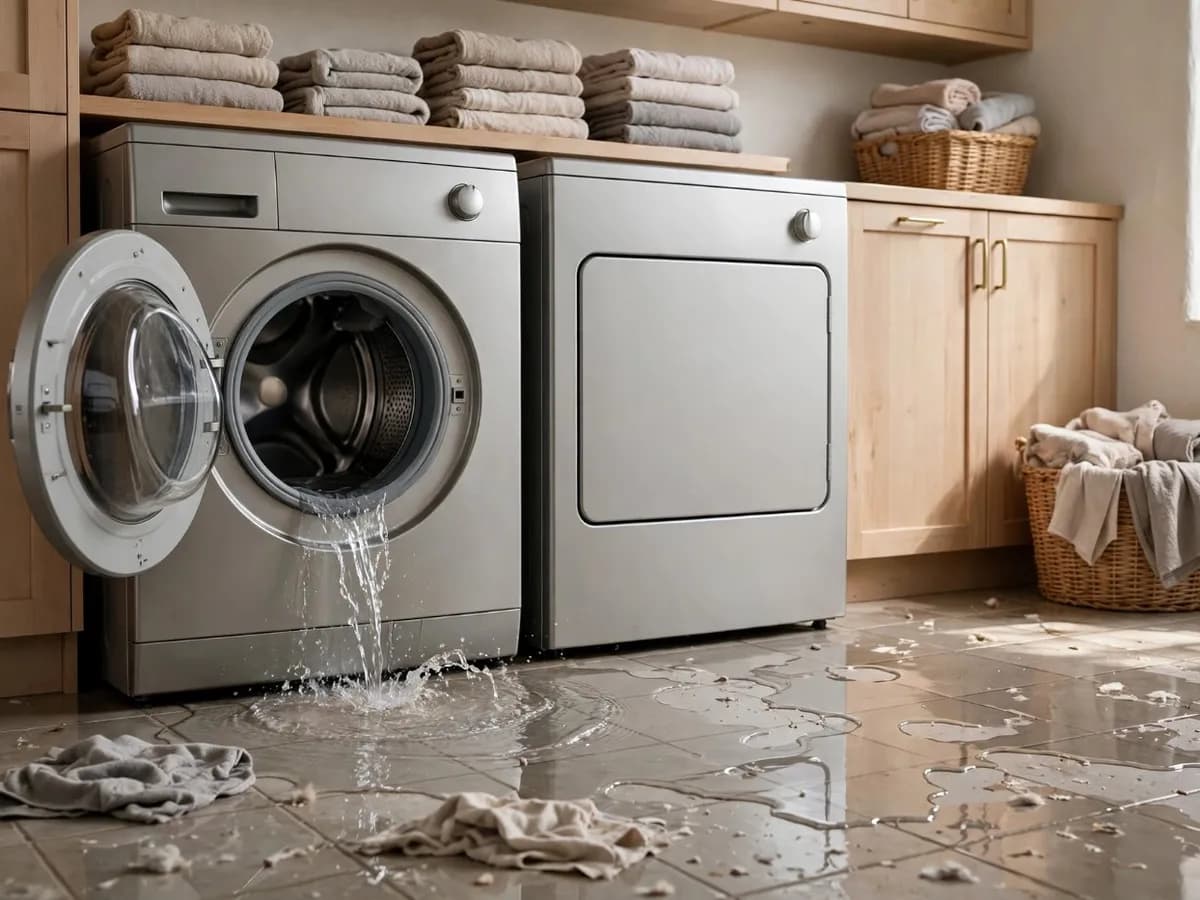
Appliance leaks — from washing machines, dishwashers, refrigerators, ice makers and water heaters — often run hidden under cabinets and flooring. Shut off the appliance's water valve, unplug it only if it is safe, and have the area checked for moisture.

Free referral service. By calling, you agree to be connected with an independent third-party restoration provider. Calls may be recorded for quality and training. Privacy

  • Fast local response
  • Property-specific assessment
  • Availability confirmed by the provider
  • Call (833) 892-1372
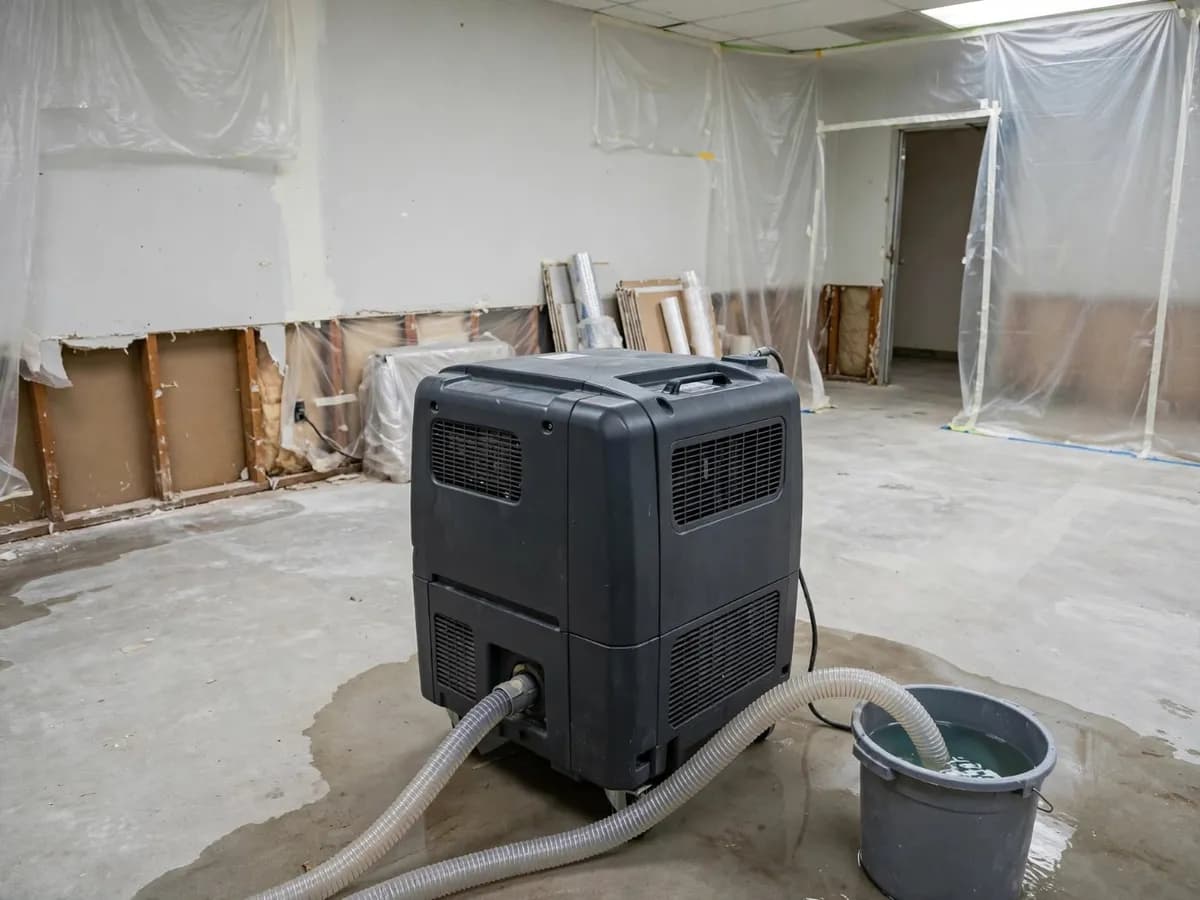
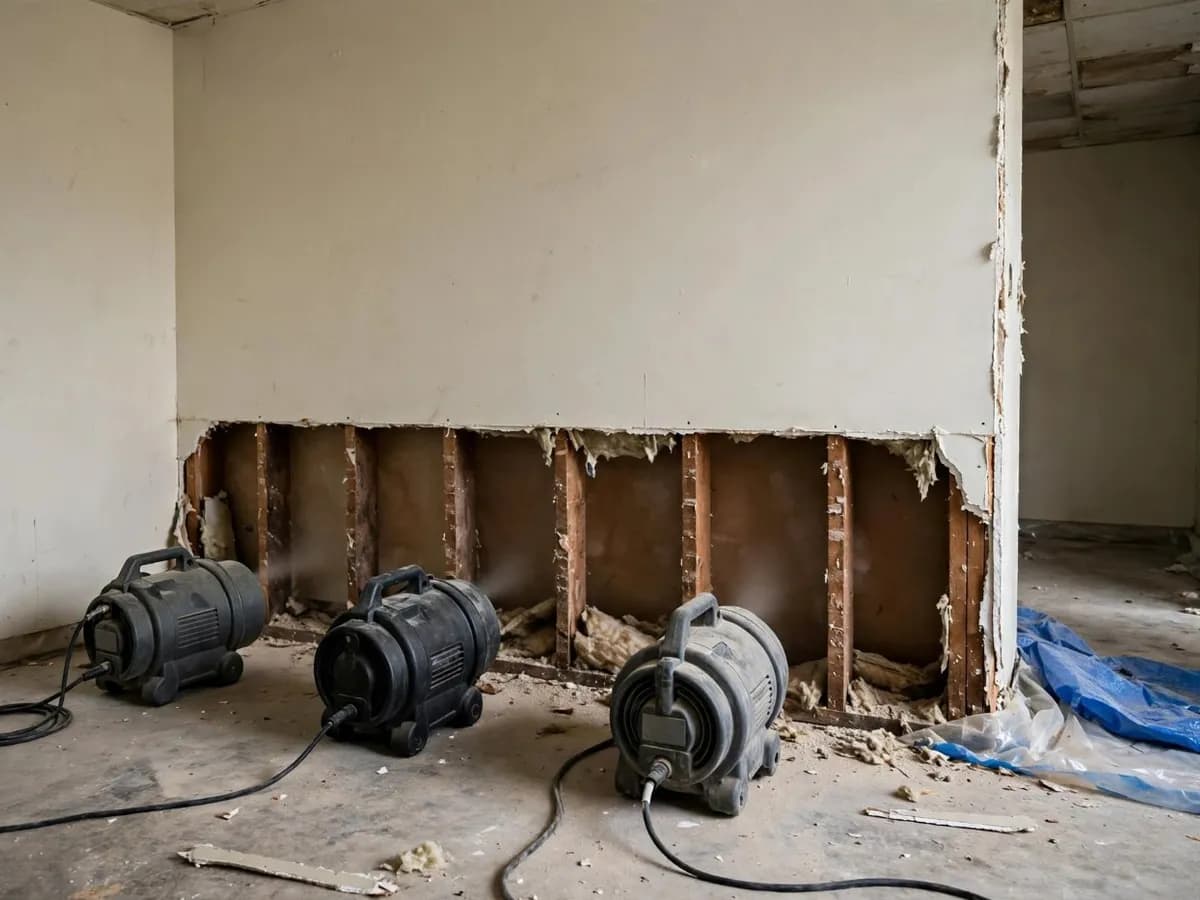
Restoration technician equipment used for appliance water damage
Fast responseHomes & businesses

Water Damage

Professional appliance water damage

Appliance supply lines are under constant pressure. A failed hose can release a lot of water quickly, while a slow drip under a dishwasher can rot a subfloor over months.

Because the water often travels under cabinets and flooring, the visible puddle can be much smaller than the wet area.

  • Fast local response
  • Property-specific assessment
  • Availability confirmed by the provider
  • Call (833) 892-1372
Service
Appliance Water Damage
Urgency
Often urgent. Act quickly.
Typical steps
4 stages, from inspection to restoration
Last updated
October 14, 2026

Know the problem

Signs and common causes

Signs and symptoms

  • Water around the appliance base
  • Swollen cabinet bottoms or toe-kicks
  • Buckled flooring near the kitchen or laundry
  • Rust or water at the base of a water heater

Common causes

  • Burst washing machine hoses
  • Dishwasher supply or drain leaks
  • Refrigerator ice maker lines
  • Water heater tank failure
  • Clogged condensate lines

Right now

What to do now

  1. 1Close the appliance shutoff valve or the main valve.
  2. 2Unplug the appliance only if the plug and outlet are dry and you are not standing in water.
  3. 3For a gas water heater, turn the control to pilot or off.
  4. 4call our restoration team.

What not to do

  • Do not keep using the appliance.
  • Do not assume the visible puddle is all the water.

How it works

Our appliance water damage process

Not every property needs every step. Your technician sets the plan after an on-site assessment.

  1. 1

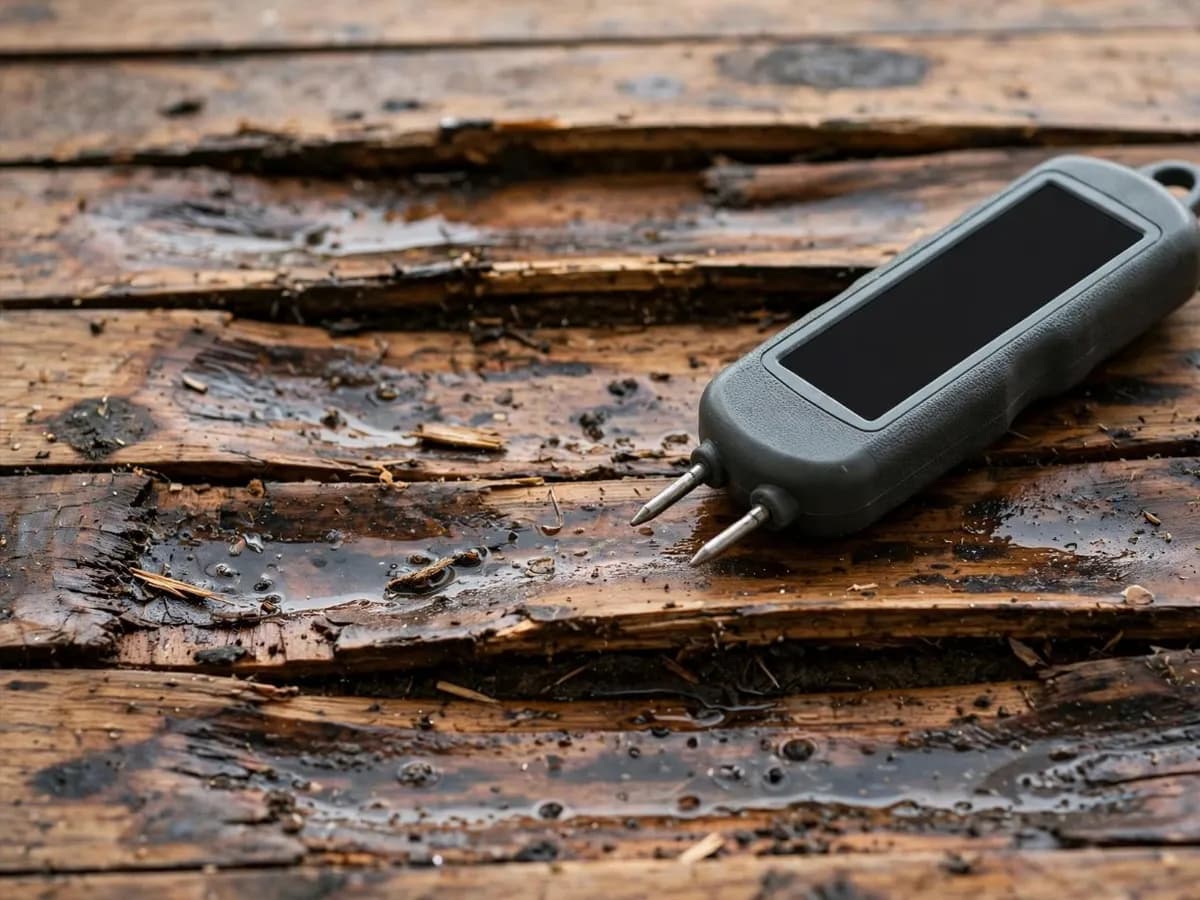
    Moisture check

    Meters find water under cabinets and flooring.

  2. 2

    Extraction

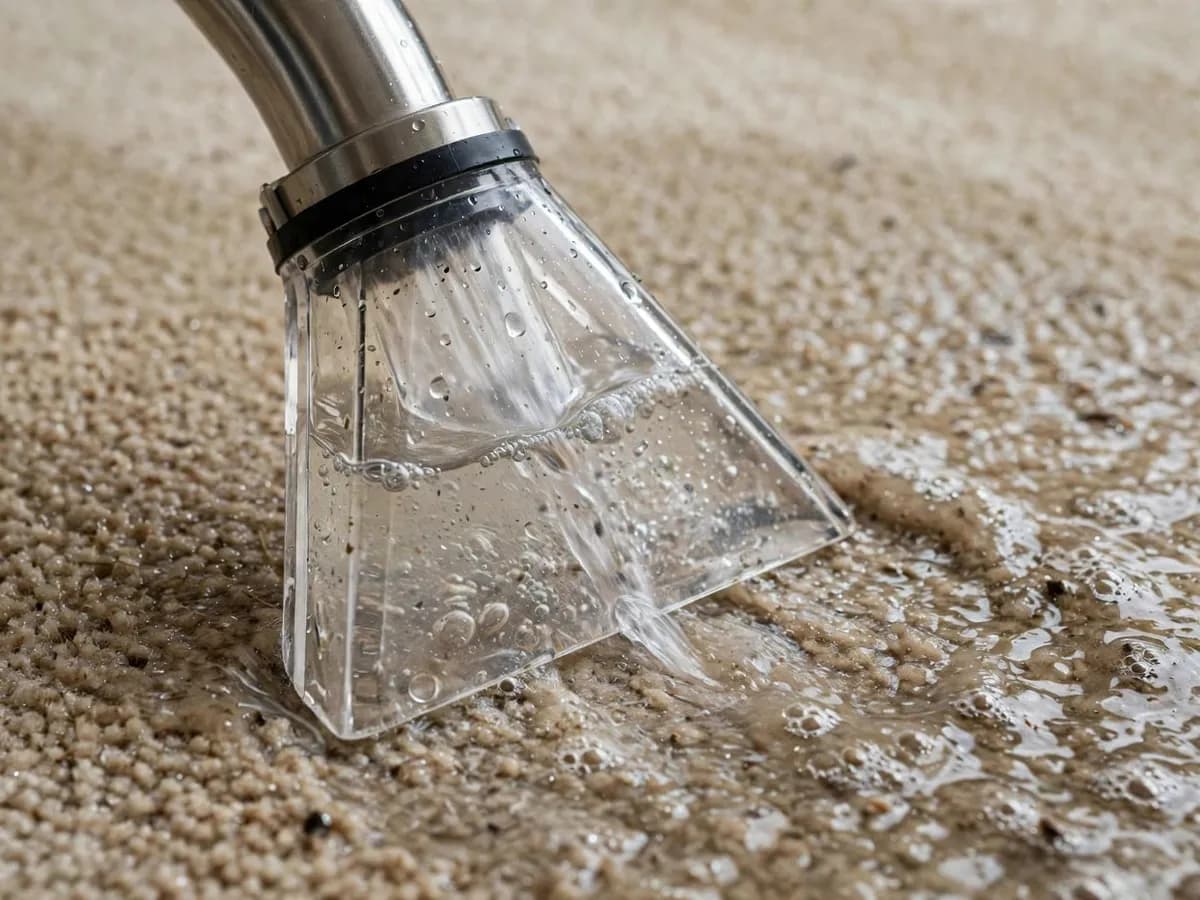
    Accessible water is removed.

  3. 3

    Targeted drying

    Toe-kicks may be removed to dry under cabinets.

  4. 4

    Flooring decisions

    Some flooring dries in place; some must be lifted.

Before and after

From soaked to restored

Fast extraction and monitored drying are what separate a quick recovery from a rebuild. Drag the slider to compare.

  • Standing water extracted and wet materials mapped
  • Air movers and dehumidifiers run while moisture is measured daily
  • Damaged flooring and drywall replaced once the structure is dry
The same living room fully restored with dry floors and fresh walls
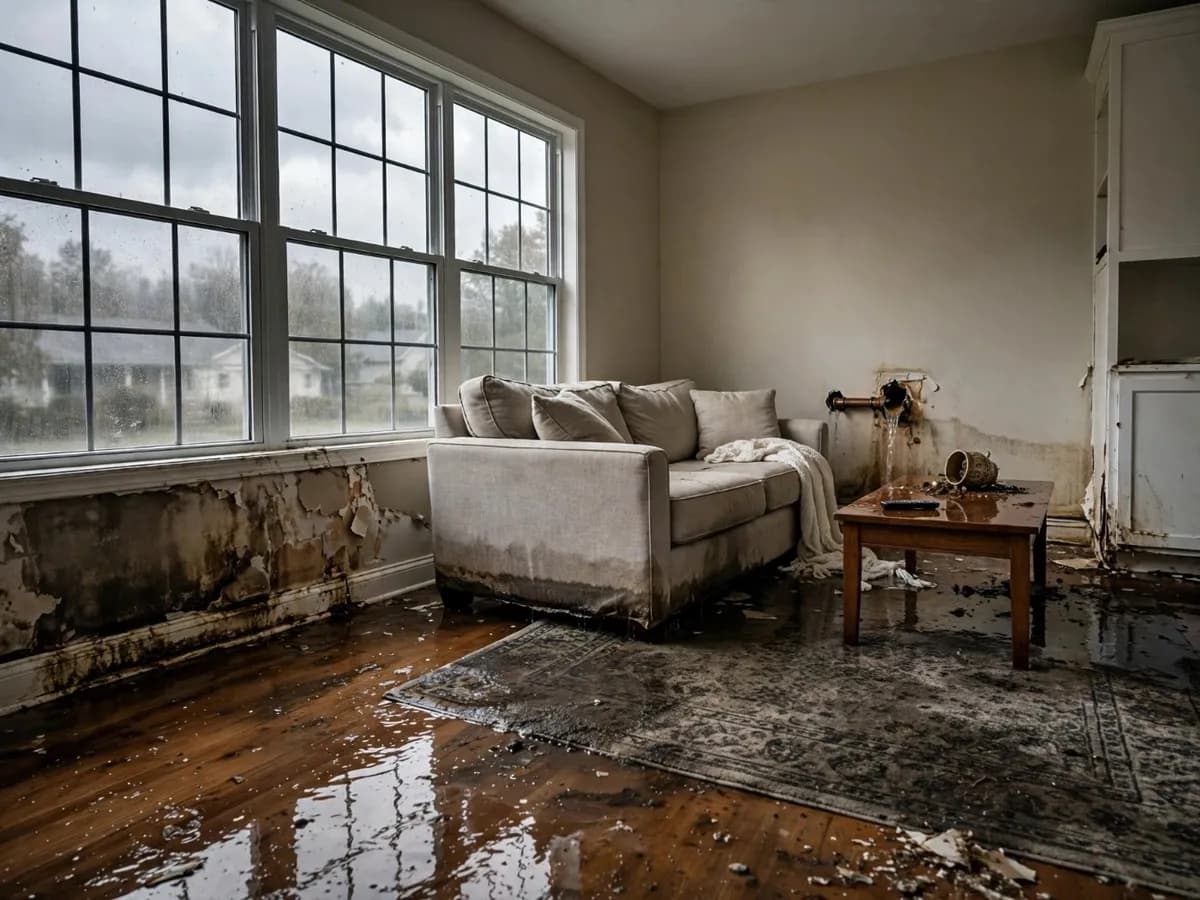
Living room with standing water on the floor and wet drywall after a burst pipe
BeforeAfter
Example: drag the handle to compare. Example illustration of a typical restoration outcome. It does not show a specific job.

On-site

Assessment and handover

What the assessment establishes

Name the appliance and whether the leak occurred during filling, draining or while idle. Supply hoses, drain connections and the appliance itself are different possible sources requiring different repairs.

The decision that changes the work

Water can extend beneath an appliance and along cabinets without reaching the open floor. Discuss whether access is needed behind kickboards or under adjacent finishes rather than treating the visible puddle as the complete loss.

What to confirm before the next stage

Before returning the appliance to service, arrange the source repair with the appropriate technician. The restoration team should separately explain which surrounding materials remain wet and how those spaces will be monitored.

When to call a professional

  • Water under cabinets or flooring
  • Water heater failure
  • Leak into a lower floor
Call Now (833) 892-1372

Near me

Appliance Water Damage near you

Call with your address and we will confirm service and schedule a technician.

  • All 50 states + DC
  • Homes & businesses
  • Water · Fire · Mold · Biohazard

Call for local service

(833) 892-1372Call Now

Free referral service. By calling, you agree to be connected with an independent third-party restoration provider. Calls may be recorded for quality and training. Privacy

Our team is taking calls now

Why choose us

Restoration done right, from the first call

  • One call, every service

    Water, fire, mold and biohazard from one team.

  • Fast response

    We prioritize active leaks, flooding and sewage.

  • Trained technicians

    Documented extraction and drying plans.

  • Insurance documentation

    Photos, readings and drying logs for your claim.

Quick answers

Appliance Water Damage: timing, insurance and more

Direct answers to the questions people ask most before they call.

Timing

How long does appliance water damage take?

Most appliance water damage jobs follow the same stages: moisture check, extraction, targeted drying, flooring decisions. Extraction and setup usually happen on the first visit; drying commonly takes about three to five days, with daily moisture readings deciding when equipment can be removed. Dense materials, basements and larger losses can take longer, and repairs are scheduled only after the structure tests dry.
Urgency

Is appliance water damage an emergency?

Often, yes. Water keeps moving into drywall, flooring and framing, and materials that stay wet for more than a day or two become harder to save and more likely to support mold. If water is still flowing, near electricity, or contaminated, treat it as an emergency: stop the source if it is safe, stay clear of wet outlets, and call right away.

Insurance

Does homeowners insurance cover appliance water damage?

Coverage depends on your policy and the cause. Sudden, accidental events such as a burst supply line are often treated differently from slow leaks, poor maintenance or outside flooding, which usually needs separate flood coverage. Photograph the damage before anything is moved, keep the failed part, and ask for moisture readings and drying logs, because adjusters rely on that documentation.

DIY

Can I handle appliance water damage myself?

Small, clean spills caught within hours can often be dried with towels, fans and a dehumidifier. Call a professional when water has soaked under flooring or into walls, more than one room is affected, the water is gray or black, there is a musty odor, or you cannot confirm that hidden materials are dry. Surfaces that feel dry can still hold enough moisture to cause damage later.

Signs

What are the signs I need appliance water damage?

Common signs include water around the appliance base and swollen cabinet bottoms or toe-kicks and buckled flooring near the kitchen or laundry. Typical causes are burst washing machine hoses and dishwasher supply or drain leaks. If you notice these, document them with photos and have the area checked with a moisture meter, since the visible damage is often smaller than what is hidden behind surfaces.

Mistakes

What should I avoid doing after appliance water damage?

Avoid these common mistakes: do not keep using the appliance.; do not assume the visible puddle is all the water.. They can spread damage, create safety hazards or make an insurance claim harder to document.

Choosing

How do I choose a appliance water damage company?

Ask how quickly someone can inspect, whether they use moisture meters and thermal imaging, how drying progress is documented, and whether they provide a written scope of work before starting. Confirm insurance and any license your state requires, ask who handles repairs after drying, and make sure they will share photos and readings with your insurer.

FAQ

Appliance Water Damage questions

Straight answers from our restoration team.

How often should washing machine hoses be replaced?

Many manufacturers recommend inspecting hoses regularly and replacing rubber hoses every few years. Braided stainless hoses are a common upgrade.

Need appliance water damage?

Call our restoration team to schedule service.

Call Now (833) 892-1372

Free referral service. By calling, you agree to be connected with an independent third-party restoration provider. Calls may be recorded for quality and training. Privacy

Call Now (833) 892-1372

Free referral service · Calls connect to independent providers and may be recorded