
Prevention
Signs of Hidden Water Damage
Updated
Short answer
Hidden water damage often shows up as a musty odor, stains or bubbling paint, soft or warped flooring, loose tiles, or a water bill that rises without explanation. A restoration professional can use moisture meters and thermal imaging to find it.
Smell
A persistent musty or earthy smell in one area is a common early sign.
Walls and ceilings
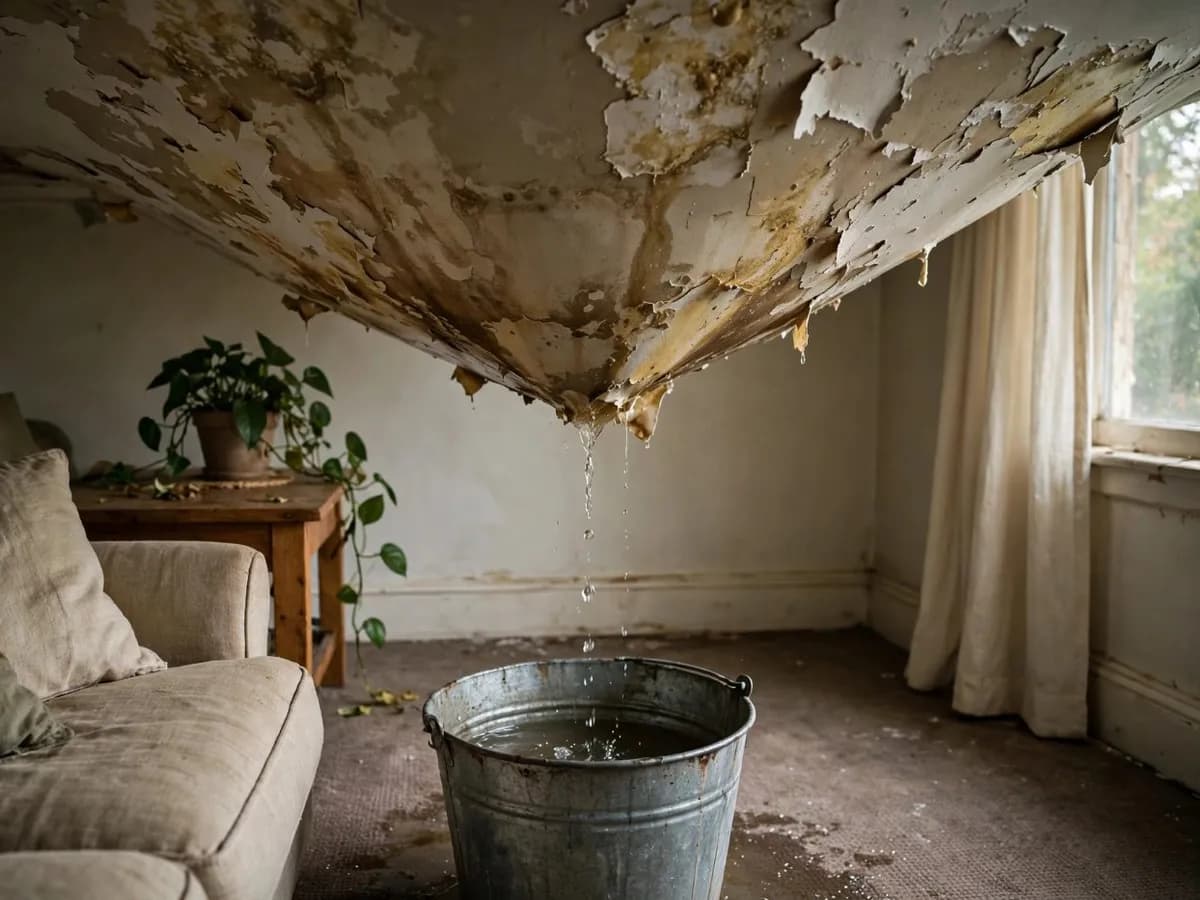
Look for stains, bubbling or peeling paint, and soft drywall.
Floors
Cupping, soft spots, lifting tiles and dark grout lines can mean water underneath.
Utilities
Turn off all fixtures and check the water meter. If it still moves, there may be a leak.
Track the pattern before choosing an opening
Record whether the stain, odor or lifting floor returns after rain, appliance use or a period of high indoor humidity. Include the room above or beside the symptom. That pattern can help the inspection prioritize a roof entry, supply line, drain or moisture-control problem.
A symptom identifies a reason to investigate, not a confirmed leak location. Ask what evidence supports opening a particular wall or floor and what the investigation may leave inaccessible.
Check the explanation after repair
Keep the diagnosed source and repaired location with the moisture findings. If the original symptom returns, those records help distinguish a continuing source from residual damaged material or a separate issue. Avoid covering recurring staining until the source investigation and drying decisions are complete.
Room-by-room places hidden water collects
Water follows gravity and the path of least resistance, so the visible stain is rarely where the moisture stops. Check the rooms below and beside any known leak, not just the room where you noticed it.
- Kitchens: the cabinet base under the sink, the toe-kick behind the dishwasher and the wall behind the refrigerator ice-maker line.
- Bathrooms: the subfloor around the toilet flange, grout lines at the tub edge and the ceiling of the room directly below the shower.
- Laundry rooms: the floor beneath the washer, the wall cavity behind supply hoses and any finished ceiling below a second-floor laundry.
- Basements: the bottom plate of finished walls, carpet pad edges and the back of stored boxes against foundation walls.
- Attics and top floors: insulation around roof penetrations, bath fan ducts and the ceiling near exterior walls after wind-driven rain.
How our technicians confirm hidden moisture
A visual check is only the start. Our technicians use pin and pinless moisture meters to compare suspect materials with a dry reference area in the same building, and thermal imaging to show temperature patterns that suggest evaporating moisture behind a surface. A thermal image alone does not prove water is present, so readings are confirmed with a meter before anything is opened.
Once the wet area is mapped, we explain which materials can be dried in place, which need a small access hole for airflow and which must be removed. That map becomes the baseline for daily drying readings and for your insurance file.
What waiting usually leads to
Hidden water rarely stays still. Drywall wicks moisture upward, wood subfloors swell and laminate edges peel. Within a few days, damp organic materials in a warm house can support microbial growth and musty odors. A leak that could have been dried in place in two or three days can turn into removal of flooring, cabinets and drywall if it is found weeks later. If you see two or more of the signs on this page together, call and have the area measured.
Do this now
- Check under sinks monthly
- Look at ceilings below bathrooms
- Watch your water bill
- Inspect appliance hoses
When to call a professional
- Odor without a visible source
- Soft or warped floors
- Meter moving with fixtures off
Related services
Frequently asked questions
Can water damage be hidden behind a wall?
Yes. Leaks inside walls may show only as subtle staining or odor until significant damage occurs.